The Toronto region's ambitions — more energy-efficient buildings, lower-emission vehicles, a circular economy that wastes less and uses resources more intelligently — share something in common. They all depend on chemistry.
The insulation that makes a building net-zero ready and other materials that allow manufacturers to substitute recycled content without sacrificing performance are chemical innovations.
And they come from somewhere.

"Chemistry is often behind the scenes in the sustainability conversation, but it plays a critical role in making progress possible," says Marian Van Hoek, Managing Director at BASF Canada.
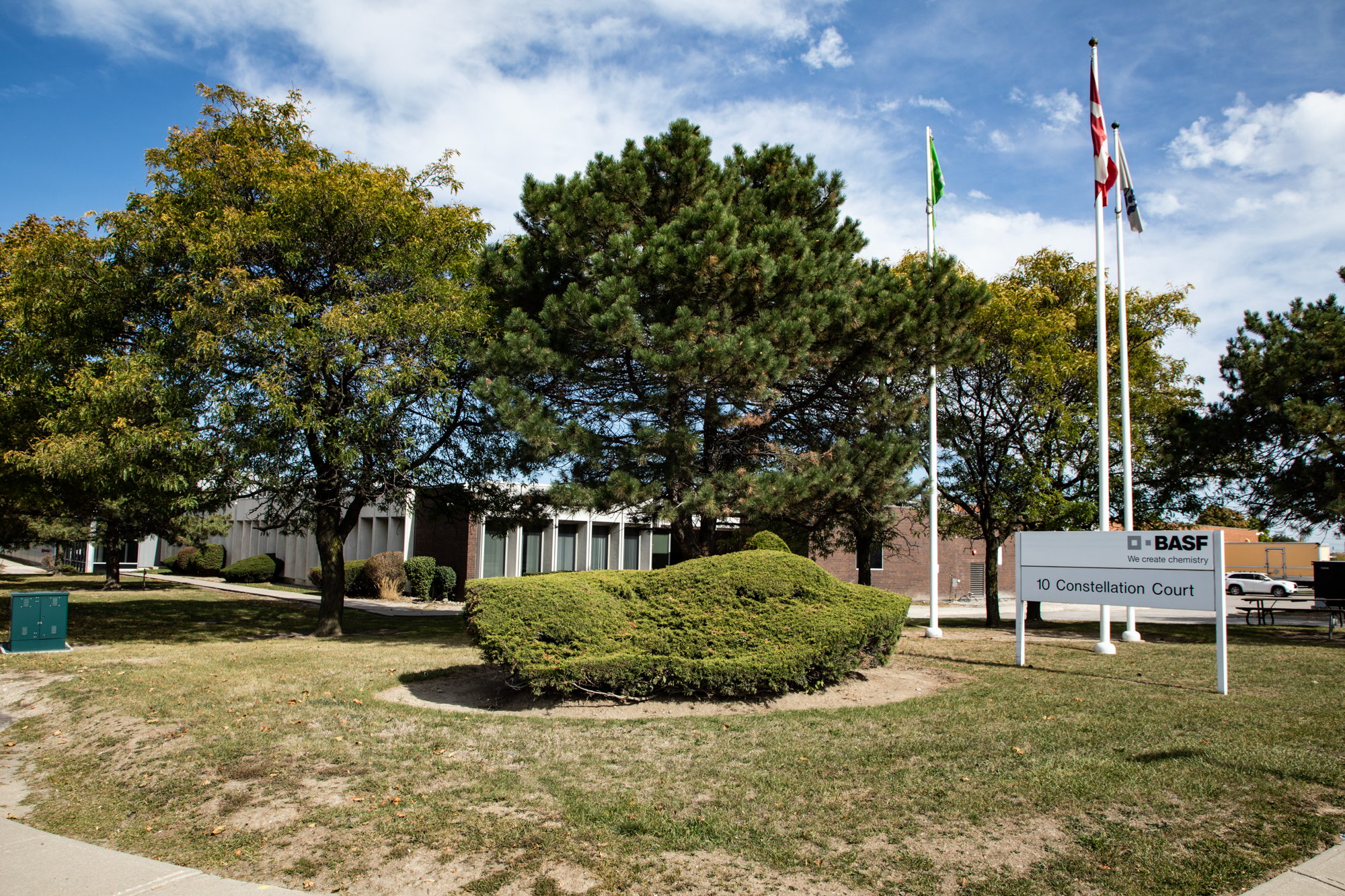
With its corporate headquarters in Mississauga and a Toronto manufacturing site producing polyurethane systems for insulating and performance applications, BASF operates at the foundation of the region's industrial economy — serving customers across construction, agriculture, and consumer goods.
It's a vantage point Van Hoek knows well: a litigator by training, she spent a decade inside BASF in legal and compliance leadership before taking the top position last July.
"We believe building a more sustainable future takes collaboration, innovation, and a long-term view," she says.
Most discussions of the clean economy focus on headline technologies like solar panels, heat pumps, electric vehicles. Less attention goes to the material inputs that make those technologies viable — which is where Van Hoek sees BASF's role.
“Many companies today are navigating a complex mix of operational resilience and resource challenges, while also trying to stay competitive and prepare for the future” she says.
“We see chemistry as part of the solution — helping our customers develop materials and innovations that reduce emissions, improve efficiency, and support the transition to a more sustainable and resilient economy.”
As building codes tighten and automakers push toward electrification, demand for higher-performing, lower-emission materials is accelerating. Two of BASF's programs speak directly to that shift.
“Our Circular Economy Program is focused on helping customers reduce waste, use resources more efficiently, and increase the value of recycled and renewable feedstocks in their operations. At the same time, our digital Product Carbon Footprint tool gives customers greater transparency by providing emissions data for thousands of products, helping them make more informed decisions and advance their own climate goals.”
BASF Canada has been consistently recognized as one of the Greater Toronto Area's Top Employers, reflecting sustained investment in high-skilled roles across production, engineering, and technical service. Through a clean energy partnership with Bullfrog Power, the company has reduced emissions from its Canadian operations through renewable electricity sourcing.
Beyond its own operations, BASF supports STEM education, Indigenous partnerships, and community programs across Canada, and is an active member of the Chemistry Industry Association of Canada, helping shape policy for sustainable growth and responsible chemical management.
The pressure on the region's manufacturers to show real progress on emissions and circularity is rising — from regulators, from investors, and from their own customers. For that transition to succeed, the materials that make it possible need to be part of the conversation.
"By working collaboratively across sectors, the Toronto region can help lead Canada's transition to a more resilient and circular economy. BASF is proud to contribute through the chemistry, innovation, and partnerships that help turn that ambition into action."